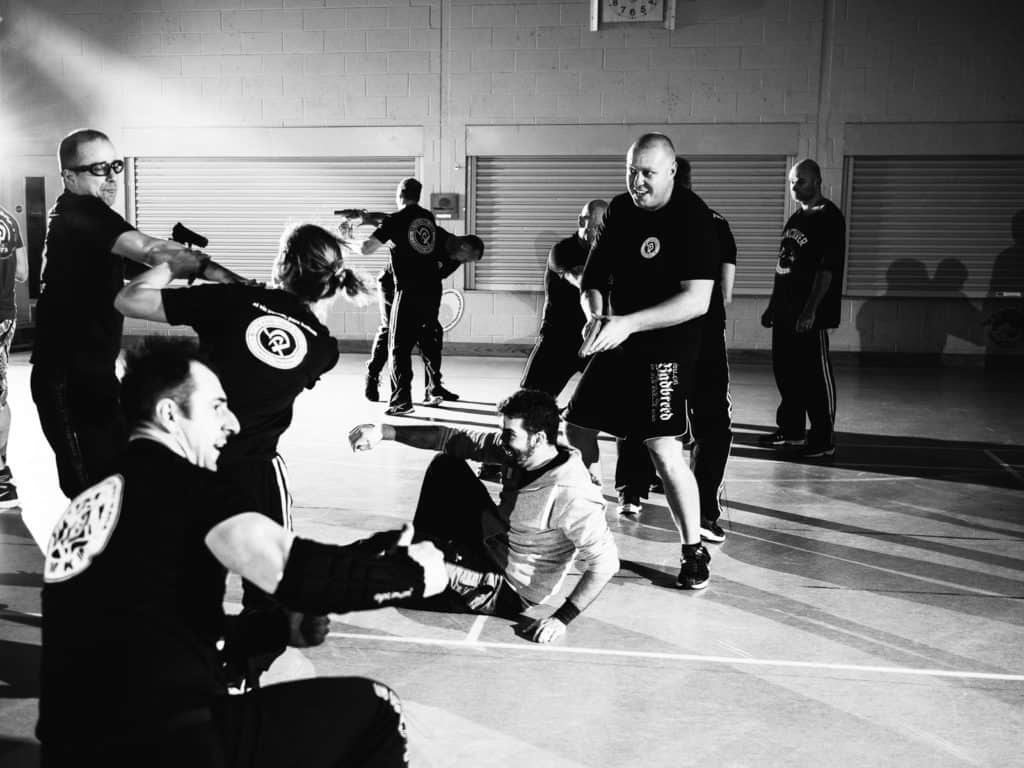
Slow Fighting in Krav Maga
In a series of articles written predominately for Krav Maga Coaches, British Krav Maga Head Coach Paul Grey writes on how to improve your Krav Maga with slow fighting training. Today we will look at the benefits of slow fighting as a training method, why it works and how you can implement it in your own training. Read more
by kMinstructor
Scroll to top
Krav Maga Coaching Articles and Training Guides
Explore articles from the British Krav Maga Association on training methods for practitioners and coaches. The archive includes guidance to help readers develop their understanding and practice of Krav Maga.
Featured content focuses on slow fighting, a training approach that lets students practise techniques at a controlled pace. Browse the articles to find ideas for coaching and personal training.
How Slow Fighting Can Improve Krav Maga Training
Slow fighting gives practitioners more time to recognise movements, practise responses and maintain control during training. Coaches can use it to help students build confidence before increasing the pace.
Practising slowly can also make it easier to focus on balance, technique and decision-making. Training partners should communicate clearly and adjust the exercise to suit their experience.
Using Controlled Pace to Practise Techniques
Begin with a clear training objective and agree on a manageable speed with your partner. Practise the movements carefully, keeping the exercise controlled rather than treating it as a competition.
Coaches can observe each repetition and offer feedback on positioning and responses. As students become more comfortable, the pace can be adjusted while keeping safety and good technique in focus.